Remote site catering provides daily meals for teams working at oilfields, industrial facilities, construction camps and isolated project locations. Quarter Plate Hospitality LLC, based in Muscat, Oman, provides catering for demanding working environments, with attention to food safety, workforce menus and dependable service. Each proposal should reflect the location, facilities, headcount and shift schedule.
Updated: 15 November 2026
Key takeaways
A successful remote catering contract brings food safety, meal planning and logistics into one clear operating plan. Buyers should assess the proposed service against their project’s daily requirements.
- Match meal schedules to working shifts and site access.
- Agree menus, portions and dietary requirements before service begins.
- Define responsibility for kitchens, equipment, transport and utilities.
- Review food safety credentials and operating procedures.
- Compare quotations against the same scope of work.



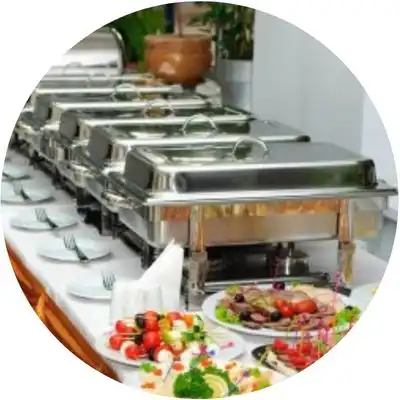



Experience supporting Oman’s energy sector
Quarter Plate Hospitality LLC’s onshore catering experience includes contracts supporting Daleel Petroleum and Occidental Mukhaizna in Oman. This work involves planning daily meals around workforce preferences, dietary requirements and the practical demands of remote operating locations.
What does remote site catering include?
Remote site catering covers meal preparation and service for a workforce operating away from established dining facilities. The contract defines the supporting staff, equipment, transport and supervision required.
For oil and gas operators, the requirement extends beyond supplying food. Meals need to fit the working day, reach the correct location and remain consistent as headcounts or schedules change.
A clear scope of work should identify:
- Expected daily headcount and meals required.
- Breakfast, lunch, dinner and other agreed meal services.
- Day-shift and night-shift requirements.
- Menu cycles and portion specifications.
- Food preparation, storage and serving arrangements.
- Cleaning, waste handling and reporting responsibilities.
- Procedures for additional meals or changes in demand.
Accommodation, laundry and housekeeping should appear as separate contract items when required.
How should catering fit an oil and gas operation?
Catering should follow the operation’s shift patterns, access arrangements and workforce requirements. The service plan needs to account for the practical conditions at each site.
Start with the information that affects daily delivery: where people work, when they take meal breaks, how they reach the dining area and whether meals must travel to separate work locations.
For an offshore enquiry, confirm the proposed service scope, transport arrangements, personnel requirements and project-specific approvals during assessment. Offshore work requires a separate operational review; an onshore proposal should not be assumed suitable.
For procurement teams, a useful proposal explains the full process from purchasing ingredients to serving the final meal.
Which kitchen model suits the project?
The right kitchen model depends on facilities, access, project duration and meal demand. An on-site kitchen, delivered meals or a temporary kitchen arrangement each needs a separate assessment.
| Catering model | Potential fit | What buyers should check |
|---|---|---|
| On-site kitchen | An established camp with continuing demand | Kitchen condition, storage, utilities, equipment and staffing |
| Delivered meals | A site accessible from a suitable production kitchen | Journey time, transport controls, receiving and serving arrangements |
| Temporary or mobile kitchen | A project without permanent kitchen facilities | Availability, site suitability, installation, utilities and permissions |
| Combined arrangement | A project serving several work areas | Clear handovers, consistent specifications and responsibility at each location |
Ask each bidder to explain the model it proposes and the assumptions behind its quotation. Confirm availability for the actual project rather than selecting from a generic service list.
How does Quarter Plate address food safety?
Quarter Plate Hospitality LLC’s ISO and HACCP certifications cover quality management, environmental management, food safety, and occupational health and safety. These credentials form part of its catering proposition for organisational buyers.
For procurement review, request the certificates relevant to the proposed operation and discuss how the management systems translate into daily practice.
The operating discussion should cover:
- Ingredient purchasing and traceability.
- Receiving and storage checks.
- Separation of raw and prepared food.
- Cooking, holding and transport controls.
- Cleaning schedules and staff hygiene.
- Allergen information and agreed dietary procedures.
- Incident reporting and corrective action.
Certificates provide a starting point. Buyers should assess the procedures, people and records supporting the proposed service.
How should menus serve a multinational workforce?
Workforce menus should reflect cultural preferences, declared dietary requirements and working schedules. A planned menu cycle gives employees variety and gives the client a clear specification to review.
Begin with workforce information rather than assumptions about nationality or preferred cuisine. Record vegetarian requirements, declared allergies, religious requirements and any specialist dietary needs requiring qualified input.
A practical menu review should address taste, portion size, variety and suitability for the agreed meal period. A tasting with representative employees can help identify changes before the menu is approved.
Agree how substitutions will be managed when an ingredient is unavailable. Changes should preserve the agreed meal specification and dietary requirements.
What happens when deliveries or equipment are disrupted?
A remote catering plan should state how food service will continue during transport delays, equipment faults or unexpected changes in demand. Responsibilities and escalation contacts need to be agreed before the first service.
Ask the provider to explain its response to a delayed delivery, refrigeration fault, unavailable ingredient or sudden increase in headcount.
The plan should identify replacement options, communication procedures and the person authorised to make operational decisions. Reserve stock and response arrangements should reflect the site’s access conditions and available storage.
Record incidents and review corrective action during contract meetings. This gives the client a practical way to assess recurring problems.
What information is needed before catering starts?
A useful proposal begins with the project location, headcount, meal schedule, facilities and intended start date. A site assessment can then establish the resources and preparation required.
Share the following information with Quarter Plate:
- Project location: include access restrictions and separate work areas.
- Workforce numbers: state normal demand and expected changes.
- Meal requirements: identify service times, shifts and dietary needs.
- Existing facilities: describe kitchens, storage, dining areas and utilities.
- Contract scope: identify services and equipment the client will provide.
- Start date and duration: include project phases that affect demand.
Before mobilisation, agree the menu, staffing plan, equipment responsibilities, reporting process and readiness checks. Confirm the timetable against the actual site conditions.
What determines remote catering costs in Oman?
Remote catering costs depend on the meal specification and the resources needed to deliver it. Headcount, location, staffing, facilities and contract duration all affect the quotation.
Compare proposals using the same assumptions. Ask bidders to separate recurring meal charges from equipment, transport, mobilisation and other contract costs.
Check how each quotation treats:
- Minimum or committed meal numbers.
- Additional meals and headcount changes.
- Kitchen equipment and maintenance.
- Transport and delivery.
- Utilities and consumables.
- Mobilisation and demobilisation.
- Applicable taxes and price-review terms.
A price per meal is useful only when the included services are clear. Request a written scope alongside the commercial proposal.
How should decision makers assess a catering partner?
Assess the provider’s ability to deliver the proposed service at your site, supported by relevant experience and documentation. Compare the operating plan, food quality and commercial scope together.
Request a sample menu, staffing proposal, food safety documents, logistics plan and mobilisation schedule. Where references are available, check that they relate to comparable work.
Agree reporting measures before the contract starts. Useful measures include meals ordered and served, service delays, complaints, food waste and closure of corrective actions.
Regular reviews give both parties a clear record of performance and a basis for agreed changes.
Discuss your remote catering requirements with Quarter Plate
Quarter Plate Hospitality LLC welcomes enquiries from oil and gas operators, industrial organisations and project teams seeking workforce catering in Oman. A site-specific discussion establishes the proposed service and its practical requirements.
Send your location, expected headcount, shift schedule and intended start date to info@qpoman.com, or call +968 7927 7487.
Request a remote site catering proposal for your operation in Oman.
Frequently asked questions
These answers address common procurement questions. The final service scope should be recorded in the project proposal and contract.
What is the difference between remote site catering and event catering?
Remote site catering provides recurring meals around an operation’s daily schedule. Event catering serves a defined occasion, with a menu, presentation and service period agreed for that event.
Can a catering contract include night-shift meals?
Night-shift meals can form part of the agreed scope. Confirm service times, meal numbers, staffing and food-handling arrangements during the proposal stage.
Can menus accommodate different dietary requirements?
Menus can be planned around agreed dietary requirements and workforce preferences. Declare allergies and specialist needs before menu approval so the provider can assess suitable ingredients and handling arrangements.
Does Quarter Plate hold ISO and HACCP certifications?
Quarter Plate Hospitality LLC holds ISO and HACCP certifications covering quality, environmental management, food safety, and occupational health and safety. Procurement teams can request the relevant certificates during supplier assessment.
Does Quarter Plate provide offshore catering?
Offshore enquiries require confirmation of the specific service, location and operational requirements. Contact Quarter Plate for an assessment before treating offshore coverage as part of an agreed contract.
How can we obtain an accurate quotation?
Provide the site location, headcount, meal schedule, available facilities and contract duration. Ask for a proposal that separates meal charges from transport, equipment, mobilisation and other applicable costs.